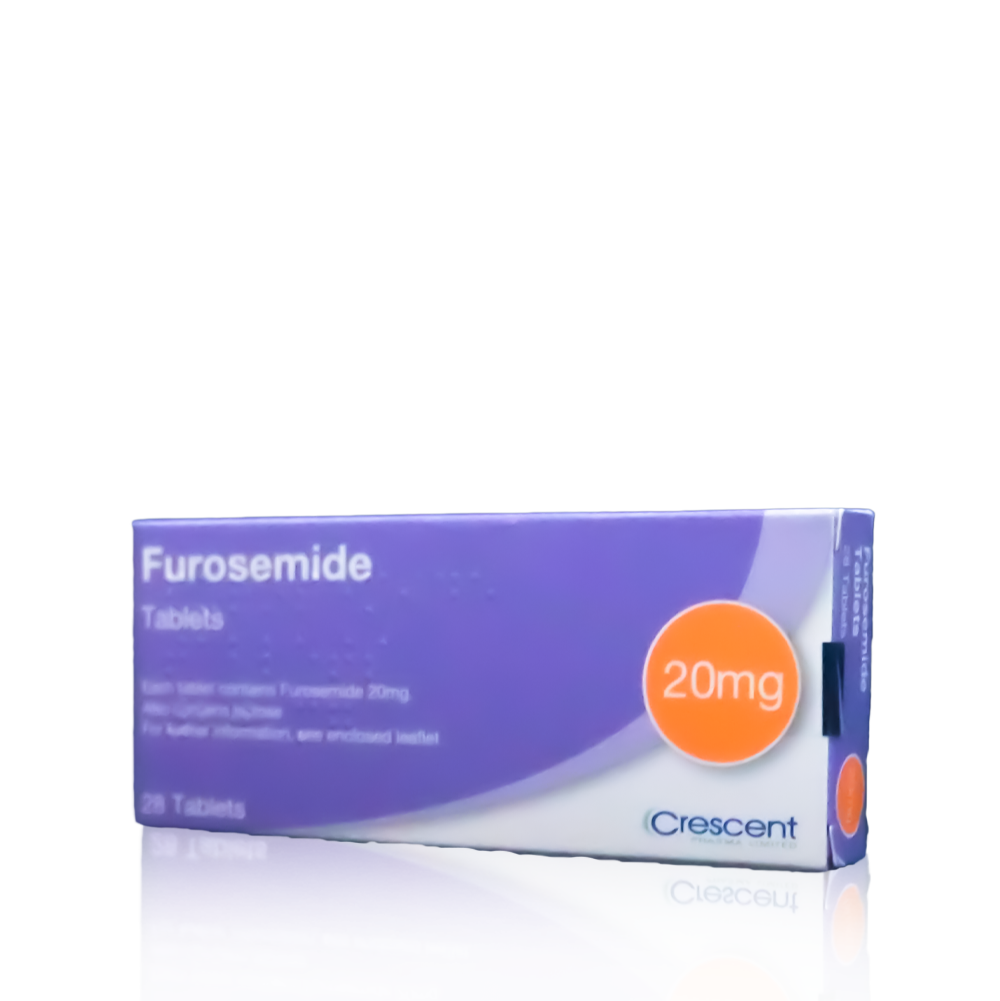
1. Composition
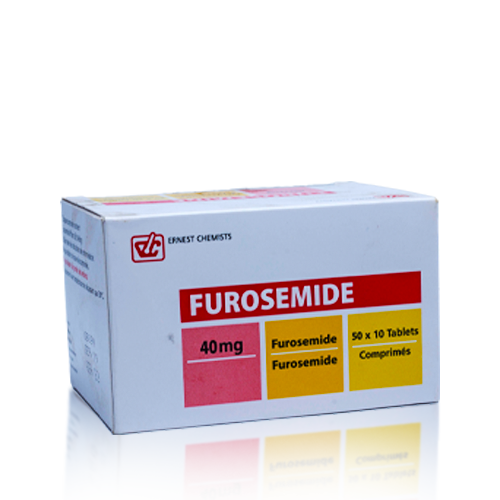
- Furosemide – 40 mg per tablet
- Excipients: starch, lactose, microcrystalline cellulose, magnesium stearate, and other tablet formulation agents
Drug class:
2. Uses / Indications
Furosemide is used for:
- Edema associated with:
- Congestive heart failure
- Liver cirrhosis
- Renal disease (nephrotic syndrome)
- Hypertension (alone or in combination)
- Acute pulmonary edema
3. Direction for Use
- Adults: 20–80 mg once daily (or in divided doses), may be adjusted based on response
- Children: Dose adjusted by weight and under medical supervision
- Take in the morning to prevent nocturia
- Can be taken with or without food
4. Side Effects
Common:
- Increased urination/frequency
- Electrolyte imbalance (low potassium, sodium, magnesium)
- Dizziness or hypotension
- Dehydration
Rare:
- Hearing loss or tinnitus (with rapid IV administration)
- Allergic reactions
- Hyperglycemia or increased uric acid
5. Warnings / Interactions / Cautions
- Monitor electrolytes and kidney function regularly
- Use cautiously in patients with:
- Kidney disease
- Heart disease
- Diabetes
- Gout
- May interact with:
- ACE inhibitors, digoxin, lithium, NSAIDs, aminoglycosides
- Pregnancy and breastfeeding: only if clearly indicated and monitored
- Take with adequate water to avoid dehydration