PRODUCT DETAILS
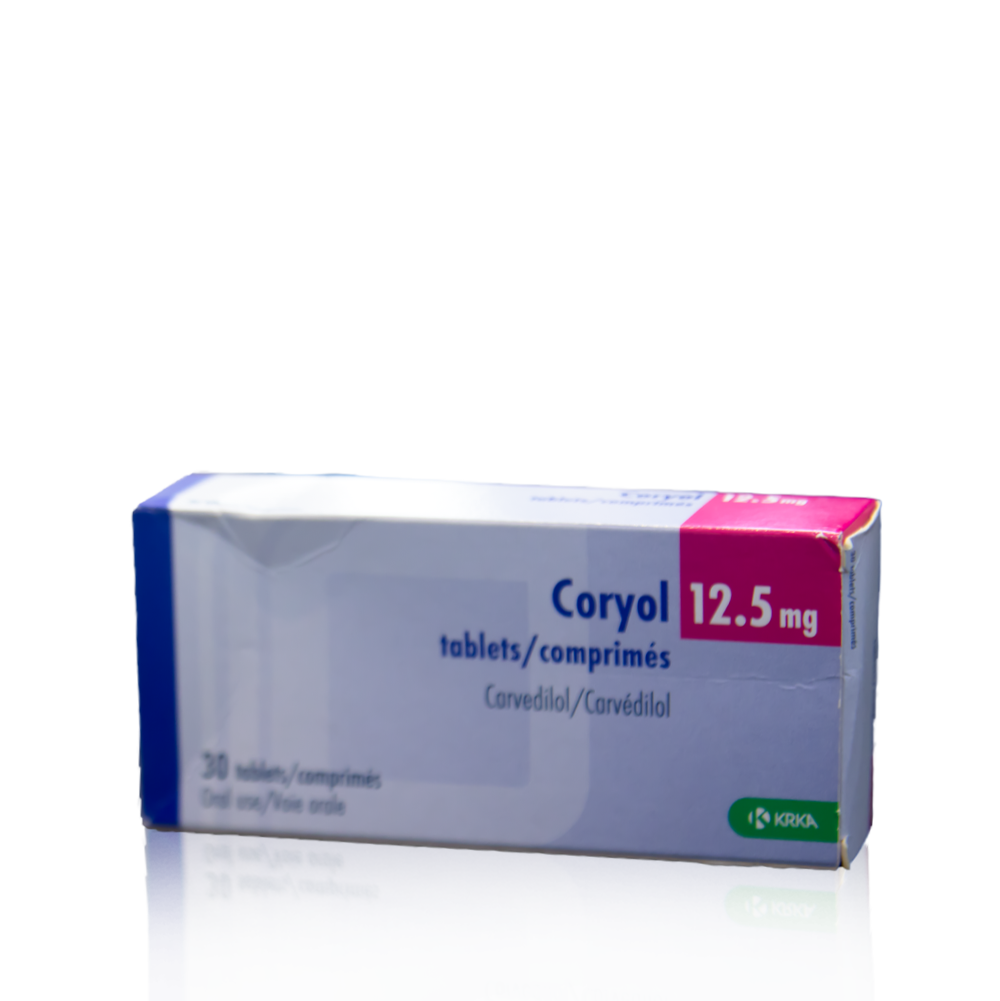
Composition
Uses / Indication
- Hypertension (high blood pressure)
- Congestive heart failure (CHF)
- Left ventricular dysfunction following myocardial infarction (heart attack)
- Angina (chest pain)
Direction of Use
- Taken orally, usually once or twice daily as prescribed
- Should be taken with food to slow absorption and reduce the risk of side effects like dizziness
- Dosage is typically started low and gradually increased based on tolerance and response
- Do not stop taking suddenly without consulting a doctor, especially in patients with heart conditions
Side Effects
Common:
- Dizziness, fatigue
- Low blood pressure (hypotension)
- Slow heart rate (bradycardia)
- Weight gain, fluid retention (especially in heart failure patients)
- Diarrhea or nausea
Serious:
- Worsening heart failure
- Severe bradycardia or AV block
- Bronchospasm (especially in asthmatic patients)
- Liver dysfunction
- Allergic reactions (rash, itching, swelling)
Warning / Interactions / Caution
Warnings:
- Use caution in patients with asthma or chronic obstructive pulmonary disease (COPD) due to potential for bronchospasm
- Monitor blood pressure, heart rate, and signs of heart failure regularly
- May mask symptoms of hypoglycemia in diabetic patients (e.g., rapid heartbeat)
Drug Interactions:
- Other antihypertensives and diuretics: additive blood pressure-lowering effects
- Calcium channel blockers (e.g., verapamil, diltiazem): risk of bradycardia or heart block
- Insulin and oral antidiabetics: enhanced hypoglycemic effect
- CYP2D6 inhibitors (e.g., fluoxetine, paroxetine): may increase carvedilol levels
Cautions:
- Use with caution in liver impairment; dosage adjustment may be needed
- Not recommended during pregnancy unless clearly necessary
- Breastfeeding is not advised, as it may pass into breast milk
- Elderly patients may be more sensitive to its blood pressure-lowering effects

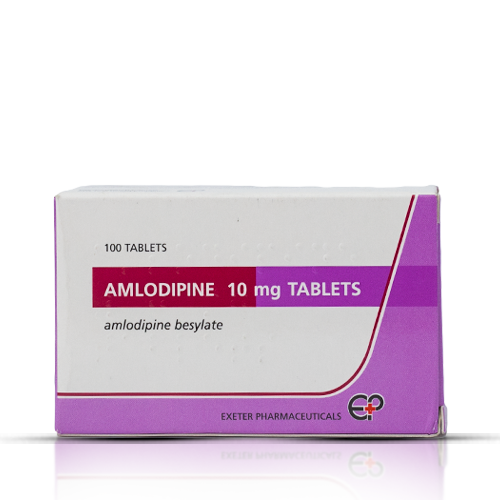
 Tablets 10mg 98'.png)


 Teva Losartan Tablets 50mg.png)